
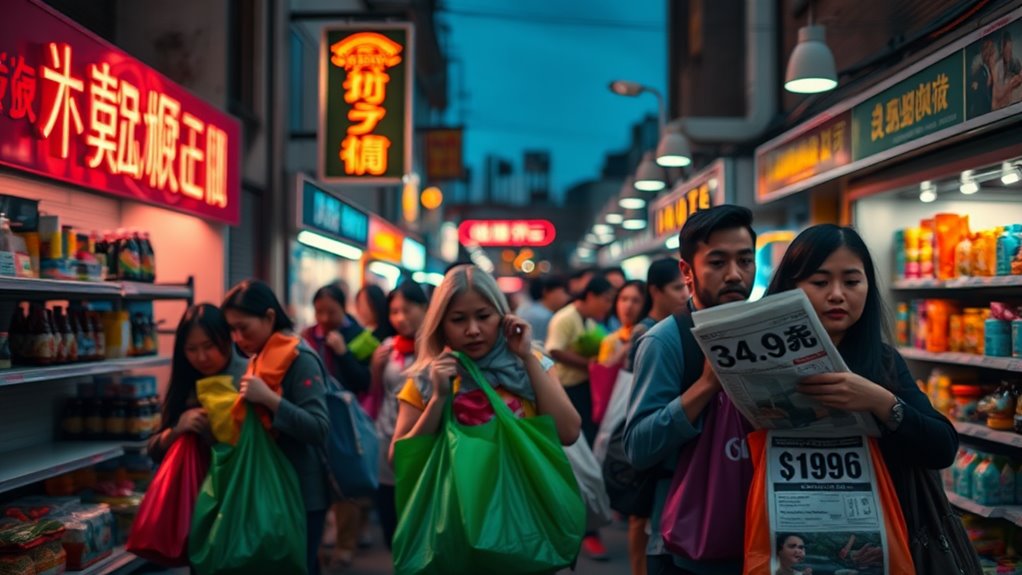
Inflation: Real or Media Panic?
Subtitle
The Scientific Journal for Everyone – When scientists speak human, people listen.
Summary
Inflation. It’s the word that’s dominated headlines, household worries, and political debates since the global economy bounced back from the pandemic. But while prices have certainly risen, not all inflation stories are equal.
So—is inflation a real economic emergency, or a media-fueled panic that oversimplifies a complex situation?
This article breaks down where inflation comes from, what the data shows, and how public perception can amplify fear—sometimes more than facts.
Why It Matters
Inflation isn’t just an abstract number—it touches every part of daily life:
-
It changes what families can afford at the supermarket.
-
It affects how much workers demand in wages.
-
It reshapes central bank policies—interest rates, borrowing costs, mortgage payments.
-
It drives political decisions—from energy subsidies to tax reform.
-
And most of all, it shapes confidence: in governments, currencies, and the future.
But perception and reality don’t always match. Understanding the real drivers of inflation—and when media hype distorts them—is essential for smart policy and informed public debate.
What the Research Shows
-
Inflation peaked in many countries in 2022–2023, driven by post-COVID supply chain shocks, energy crises, and pent-up consumer demand.
-
In the EU, average inflation reached 9.2% in 2022—the highest since the euro’s creation (Eurostat, 2023). In the US, it briefly surpassed 9.1%.
-
Since then, inflation has decelerated sharply—but public concern remains high, especially on food, rent, and fuel (OECD, 2024).
-
Studies show that media coverage intensity often lags price data—and reinforces consumer fear long after price growth slows (Blanchard & Alpert, 2023).
-
Inflation expectations—what people think will happen—can influence real behavior: hoarding, early purchases, demands for wage hikes. This makes narratives self-reinforcing.
-
Political discourse often amplifies inflation panic—even when underlying pressures are easing—because it offers a clear target for public frustration.
The data shows that inflation is real—but its emotional and political weight is often heavier than the numbers alone can explain.
What’s Behind It
To understand the gap between reality and perception, we need to unpack the components of the inflation narrative:
1. Multiple Causes, One Label
Inflation can come from:
-
Cost-push (higher input prices like energy and food)
-
Demand-pull (strong consumer spending)
-
Supply shocks (like port disruptions or droughts)
-
Geopolitical risk (like the war in Ukraine)
Lumping them all into one number hides the complexity—and makes it easier to panic.
2. Media Amplification Loops
Media outlets (including social media) often focus on the most visible or extreme examples—like a spike in egg prices or fuel costs. These become symbols of inflation, even when overall inflation is slowing.
3. Sticky Inflation vs. Volatile Inflation
Energy prices rise and fall fast. But housing, wages, and services adjust slowly and asymmetrically. So people feel inflation for longer—even when official CPI numbers go down.
4. Psychology of Price Anchors
People remember the “old price”—not the inflation rate. A €1 coffee that becomes €1.40 feels like betrayal, not macroeconomics. This anchoring bias explains why frustration often outlasts the economic justification.
5. Wage-Price Confusion
Even when wages rise, if they don’t keep pace with inflation, real income falls. But some fear wage increases will “fuel” inflation—creating a policy dilemma between equity and inflation control.
What’s Changing
The inflation narrative is evolving—but unevenly:
-
Central banks are cautiously ending rate hikes, suggesting they see inflation as under control—though not fully resolved.
-
Energy prices have stabilized or declined in many regions—but rent, food, and services remain high, especially for low-income households.
-
Media coverage has decreased overall, but pockets of inflation panic remain—especially on social media and in political rhetoric.
-
Consumers continue to feel financial stress, even if inflation is technically slowing—especially due to cumulative price increases over two years.
-
Public trust in inflation policy has fractured: some view central banks as too aggressive, others see governments as too passive.
So while statistical inflation may be falling, emotional inflation remains elevated.
Big Picture
Inflation isn’t just an economic issue—it’s a narrative. One shaped by:
-
Political choices
-
Media attention
-
Corporate pricing behavior
-
Public psychology
-
And deep structural forces, like energy transitions and global shocks
In short: Inflation is as much about perception and trust as it is about prices.
Conclusions
So—is inflation real, or media panic?
1. It’s both
Inflation is real. But media panic can distort scale, cause overreaction, and delay recovery.
2. Headline inflation ≠ household reality
Official numbers average across all goods. But food, fuel, and rent matter more to ordinary people than flat-screen TVs or airfare.
3. Narratives shape outcomes
If people believe inflation will rise, they behave accordingly—buying early, pushing for higher wages, or raising prices—which can make inflation worse.
4. Political cycles distort inflation talk
Governments may downplay inflation. Opponents may exaggerate it. Economic debates become campaign slogans.
5. Communication is policy
To fight inflation, central banks and governments must also manage expectations, explain trade-offs, and avoid fear-driven policy.
The deeper lesson
Inflation is a signal, not a monster.
But if we don’t understand the signal—or if we let it be hijacked—we risk panic responses that do more harm than good.
Smart inflation policy isn’t just about raising rates.
It’s about helping people understand what’s happening, who’s being hit, and what comes next.
In the end, inflation is real—but the panic around it tells us even more about how economies function, who shapes the story, and why trust matters.
Sources
-
Eurostat (2023–2024). Harmonised Index of Consumer Prices
-
OECD (2024). Inflation, Wages, and Living Costs
-
IMF (2023). Post-Pandemic Inflation Trends
-
Blanchard, O. & Alpert, D. (2023). Narrative Economics and Inflation Expectations
-
Bruegel (2024). Inflation Persistence and Policy Communication
Q&A Section
Why does inflation feel worse than the official number?
Because essential items (like food, fuel, rent) often rise more—and people feel those changes more acutely.
Is inflation over in 2025?
No. It’s cooling, but some components—especially services and housing—remain elevated in many places.
Do media exaggerate inflation?
Sometimes. News tends to focus on dramatic changes—creating anxiety and confusion, even when inflation is stabilizing.
Is inflation always bad?
Not necessarily. A small amount of inflation (around 2%) is normal and healthy. It’s high, unpredictable inflation that causes problems.
What can be done to fight inflation fairly?
Balanced policies: targeted subsidies, fair wage growth, supply-side investments, and clear communication from policymakers.
