
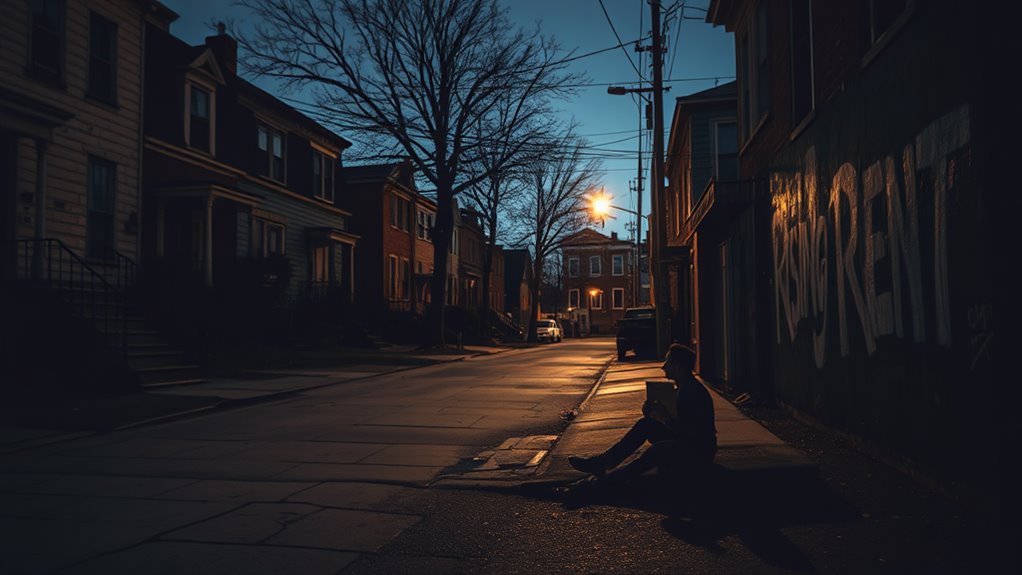
Rent Crisis: The Silent Housing War
Subtitle
The Scientific Journal for Everyone – When scientists speak human, people listen.
Summary
Across cities and regions, the cost of renting a home is spiraling beyond reach. What used to be a temporary step toward home ownership or stability is now, for many, a permanent state of insecurity.
The rent crisis isn’t just about real estate—it’s a battle over space, power, income, and dignity. With wages stagnating and housing prices accelerating, renters are being priced out, displaced, and often ignored by policy.
This article dives into the economic drivers, social consequences, and political blind spots behind what may be the defining domestic crisis of our time.
Why It Matters
The housing crisis—and especially the rental affordability gap—touches everything:
-
Social mobility stalls: High rents leave less for education, savings, or job mobility.
-
Mental health declines: Insecurity, overcrowding, and displacement have profound emotional costs.
-
Inequality deepens: Renters often pay more of their income than owners and accumulate no wealth.
-
Cities hollow out: Urban centers lose teachers, nurses, and artists as working-class renters are pushed out.
-
Politics polarize: Rent struggles feed into broader dissatisfaction with institutions, markets, and political elites.
In short: When rents rise faster than wages, families don’t just lose homes—they lose futures.
What the Research Says
-
Housing costs exceed 30% of income for most renters: In many OECD countries, rent now consumes over one-third of disposable income—often 50% or more for lower-income groups (OECD, 2023).
-
Real wages lag behind rent inflation: Since 2010, average rents in major cities have doubled, while wages have risen by only 20–30% (Eurostat, 2024).
-
Rent burden is intergenerational: Young adults are increasingly unable to move out, with more than 50% of 18–34-year-olds living with parents in parts of Southern Europe (European Commission, 2023).
-
Private equity and financialization drive prices: Institutional investors and REITs have acquired vast rental portfolios, often raising rents, cutting services, and evicting tenants (IMF, 2022).
-
Supply shortages alone don’t explain it: Many cities have rising vacancies but still rising rents—pointing to speculation, short-term rentals (e.g. Airbnb), and deregulation as drivers (UN Habitat, 2023).
-
Renters’ political voice is weak: Homeowners vote more often and are more organized, meaning rental policy rarely reflects tenant needs (LSE Housing Studies, 2024).
Evidence shows that the rent crisis is not just a market failure—it’s a political choice.
What’s Behind It
Why are rents rising so fast—and why is it so hard to fix?
1. Income stagnation + asset inflation
Wages have barely kept up with inflation, while property values and rents have surged, driven by capital, not population.
2. Short-term rentals and tourism
Platforms like Airbnb reduce long-term rental supply, especially in tourist-heavy cities, driving up prices for locals.
3. Zoning and supply restrictions
Local rules often block dense, affordable housing, leading to shortages—even in cities with demand and land.
4. Tax systems reward landlords
Mortgage interest deductions, property tax loopholes, and low capital gains taxes favor ownership and speculation, not tenancy.
5. Rental regulation rollbacks
Over the past two decades, many governments have deregulated rent controls, citing market flexibility—leading to instability and gentrification.
6. Financialization of housing
Homes are increasingly seen as investment assets, not places to live—leading to the concentration of rental properties in investor hands.
The result is an unequal geography of housing, where place becomes destiny, and rent becomes a form of silent extraction.
What’s Changing
The rent crisis is forcing new political and social shifts:
-
Tenant unions and rent strikes: Movements are growing in cities like Berlin, Barcelona, and Los Angeles, demanding caps, controls, and public housing.
-
“Right to housing” laws: Some countries are experimenting with constitutional or legal rights to housing access—though enforcement remains weak.
-
Policy reversals: Berlin’s rent freeze, Portugal’s restrictions on Airbnb, and Barcelona’s social housing mandates show policy reawakening—but also backlash from real estate lobbies.
-
Alternative ownership models: Cooperatives, land trusts, and community housing initiatives are gaining momentum as post-market solutions.
-
Digital organizing: Apps, maps, and legal tools are helping renters track rent hikes, organize neighbors, and sue landlords.
Yet in many places, renters remain politically fragmented, economically vulnerable, and legally underprotected.
Big Picture
The rent crisis is more than a supply problem—it’s a crisis of who cities are for:
-
When rent outpaces income, urban life becomes a privilege.
-
When tenants live in fear of eviction, economic freedom is constrained.
-
When housing becomes a speculative asset, social fabric weakens.
In short: Rent isn’t just a monthly cost—it’s a measure of economic dignity and democratic health.
Conclusions
To respond to the rent crisis, we need to go beyond economics and rethink housing as a human, social, and political right. That means:
1. Reframing housing as infrastructure
Just like water or energy, housing is essential. We must invest in social, cooperative, and non-profit rental supply.
2. Tax the rent economy
From luxury apartments to short-term rentals, we need progressive property taxation that funds affordable housing and disincentivizes hoarding.
3. Protect tenant rights
Stronger legal protections—against eviction, discrimination, and unjustified rent increases—are critical for stability and inclusion.
4. End financial speculation in housing
Public ownership, rental conversion limits, and foreign investment caps can curb housing as an extractive asset class.
5. Strengthen the renter’s voice
Encourage tenant unions, legal aid, and democratic representation in housing policy to balance landlord power.
6. Target vulnerable groups
Women, migrants, single parents, and youth suffer most from rent burdens—policies must reflect this intersectional reality.
The deeper lesson
The rent crisis is a slow-burning emergency—it may not generate headlines like inflation or banking collapses, but it is eroding economic security, mental health, and democratic trust every day.
Fixing it requires more than market tweaks. It requires recognizing that where and how people live is not just a personal outcome—it’s a collective responsibility.
Because a city where people can’t afford to live is a city that cannot live at all.
Sources
-
OECD (2023). Housing Affordability and the Cost of Renting
-
Eurostat (2024). Housing Overburden Rate in Europe
-
IMF (2022). Financialization of Real Estate: Risks and Impacts
-
UN Habitat (2023). The Right to Housing: Global Review
-
European Commission (2023). Youth and Housing Access Report
-
LSE (2024). The Political Economy of Tenure Systems
Q&A Section
Why are rents rising faster than wages?
Because of a mix of financial speculation, housing shortages, and deregulated markets, while wages remain stagnant or slow-growing.
Do rent controls work?
They can, if designed well and paired with supply-side solutions—but poorly designed controls may reduce investment or shift pressures elsewhere.
Is building more housing the answer?
Yes, but it must be affordable, not just high-end—and located where people actually live and work.
Why don’t more policies help renters?
Because homeowners dominate politics, and renters are often seen as temporary or less “deserving” of protection.
What can renters do now?
Join tenant unions, know your rights, track your rent history, and push for political action in local and national forums.
