
Hot Issues
Subtitle
The Scientific Journal for Everyone – When scientists speak human, people listen.
Summary
In 2025, a wave of global developments is putting pressure on economies, institutions, and everyday lives. From extreme weather and geopolitical standoffs to digital crackdowns and fiscal stress, this year’s most urgent issues aren’t isolated—they’re interconnected.
This section highlights some of the defining crises and debates of the moment, showing how they shape the world we live in—and what they reveal about power, policy, and possibility.
Why It Matters
We are living in a converging crisis landscape, where no single issue can be understood in isolation:
-
Climate extremes are driving migration, inflation, and energy instability
-
AI and digital policy are challenging sovereignty and economic models
-
Geopolitical fragmentation is disrupting trade, security, and resource access
-
Public trust in institutions is eroding, as citizens face uncertainty without adequate protection
Understanding these “hot issues” helps make sense of a world where local problems are global, and global risks are personal.
What the Research Shows
-
Climate policy is now economic policy: Weather-related disasters cost over $380 billion globally in 2024, with direct effects on food prices, insurance markets, and infrastructure planning (UNEP, 2025).
-
AI regulation is lagging behind deployment: Generative AI adoption has outpaced safeguards, raising concerns over labor disruption, misinformation, and democratic oversight (OECD, 2025).
-
Debt is back in the spotlight: Public debt levels have surpassed 100% of GDP in over 40 countries, renewing debates about austerity vs. investment (IMF, 2025).
-
Geopolitical tensions are remapping trade: The war in Ukraine, tensions in the South China Sea, and sanctions on tech and energy are reshaping supply chains, increasing volatility (World Bank, 2025).
-
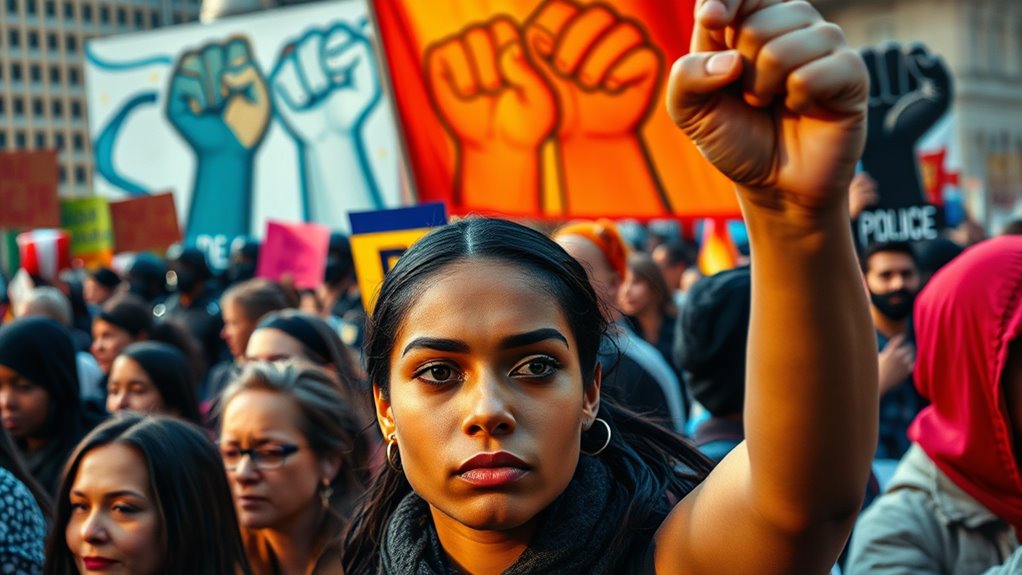
Social unrest is rising: Strikes, protests, and civil disobedience are increasingly tied to economic grievances—from wages to rent to climate inaction (ILO, 2025).
These trends are not temporary—they signal long-term structural shifts in how economies and societies function.
What’s Behind It
Behind the headlines lie deeper, systemic dynamics:
1. Climate as a stress multiplier
Droughts, floods, fires, and heatwaves now intersect with urban inequality, food security, and fiscal policy—turning weather into a political fault line.
2. AI as a governance challenge
Unlike previous tech waves, AI is evolving without clear accountability or global norms, amplifying inequality and misinformation.
3. Fragmentation of the global order
The world is no longer shaped by a single dominant power. Instead, regional blocs and bilateral tensions are making coordination harder—and crises more contagious.
4. Debt-fueled resilience or fragility?
Governments spent big during COVID and energy shocks—but now face tight budgets and rising interest rates, forcing hard choices on taxation, welfare, and investment.
5. Public anger is becoming structural
Discontent is no longer episodic—it’s chronic. People feel disconnected from political decisions, and more willing to organize, disrupt, and demand new solutions.
What’s Changing
There are signs of both experimentation and retreat:
-
Climate litigation is rising: Citizens are suing states and companies for climate inaction, pushing courts into new political territory
-
Digital borders are emerging: Countries are asserting control over data, platforms, and algorithms—turning the internet into a geopolitical battleground
-
Central banks are recalibrating: Inflation targeting is being rethought in light of inequality, debt, and green transition goals
-
Youth movements are shaping agendas: From climate to housing to digital rights, younger generations are driving policy innovation and electoral pressure
But for now, institutional inertia and political risk aversion remain strong—often delaying bold action.
Big Picture
The “hot issues” of 2025 are more than news cycles—they are tests of institutional adaptability and democratic imagination:
-
Can governments act before crises explode?
-
Can global cooperation survive economic nationalism?
-
Can markets be steered toward inclusion and sustainability?
-
Can citizens trust systems to protect—not just punish—them?
In short: We are not just navigating crises—we are redefining what policy, power, and progress mean in real time.
Conclusions
This year’s global challenges highlight three key truths:
1. Interconnection is the new normal
From energy shocks to digital rights, everything is linked. Policies must break out of silos and reflect joined-up thinking.
2. Crisis is a policy accelerator
Shocks reveal vulnerabilities—but also create windows for transformation, especially if governments move fast and inclusively.
3. Trust is the most valuable public asset
Without trust, even the best policies fail. That means building transparency, participation, and fairness into every solution.
The deeper lesson
2025 is not just a difficult year. It’s a critical turning point.
The “hot issues” of today are not distractions—they are the battlegrounds of the future. How we respond will shape the next decade of economic justice, social stability, and democratic strength.
Inaction is a choice. So is transformation.
